Probate and Trust Administration | Hollywood, FL and Broward County
When the Unthinkable Happens, We’re Here to Help You Navigate Forward with Clarity and Compassion


Losing a loved one is hard enough. What comes next should not fall entirely on your shoulders.
If someone you love has passed away with assets in their name in Florida, you likely need a probate attorney.
At Legacy Solutions Law Firm in Hollywood, FL, we help families across Broward County and throughout Florida navigate that process without making costly mistakes, missing critical deadlines, or carrying the weight of it alone.
This is a boutique practice. You work directly with an attorney. Randy Narkir has handled Florida probate and trust administration for over 12 years. Not a paralegal. Not a rotating associate. Someone who knows your file and picks up the phone when you call.

Book a Solutions Meeting
A Solutions Meeting is a real conversation. No pressure, no obligation. We listen first, explain your obligations and options clearly, and tell you exactly what needs to happen next.
Typically 45 to 60 minutes by phone or video. There is no charge for your first meeting.
In a situation that needs immediate attention? Call us directly. (754) 292-0912
2025 and 2026 Florida Probate Updates: What Families Need to Know
Several changes to Florida law and federal rules have recently taken effect that directly affect how estates are administered and how trusts are settled. If you are currently administering an estate or trust, these updates may affect your obligations and timelines.
Florida Homestead Descent and Distribution | Ongoing Enforcement
We handle every aspect of probate with precision and efficiency from filing legal paperwork to distributing assets according to the will or state law. Our seamless process reduces delays, prevents costlFlorida homestead property cannot be freely devised when the decedent was married or had minor children at the time of death. Florida courts continue to strictly enforce this. Personal representatives who attempt to distribute homestead property without addressing this first face title defects and surcharge claims that can take years to untangle. Every probate involving Florida real estate must address homestead status before any distribution is made. (Florida Constitution, Article X, Section 4; Florida Statute 732.401.) y errors, and ensures everything is handled correctly.
Elective Share Rights | Florida Statute 732.2065
A surviving spouse in Florida has the right to claim an elective share equal to 30 percent of the elective estate, regardless of what the will states. The elective share calculation was significantly expanded in 2001 and catches many personal representatives off guard. If there is a surviving spouse and the will predates 2001, a thorough review is required before any distributions are made.
Federal Estate Tax Portability | File Even If No Tax Is Owed
When a spouse passes away, the surviving spouse may elect to use the deceased spouse's unused federal estate tax exemption. This is called portability. For timely elections, a federal estate tax return must be filed within nine months of death, or 15 months with an extension, even if no tax is owed. An estate that misses both the original filing window and the five-year extended deadline under IRS Rev. Proc. 2022-32 permanently forfeits this election. For estates where the deceased spouse had significant unused exemption, this filing must not be overlooked.
Florida Summary Administration | Threshold Remains at $75,000
Florida's summary administration threshold remains at $75,000 gross estate value. Estates below this threshold, or where the decedent has been dead for more than two years, may qualify for the simplified process. Personal representatives should confirm eligibility at the outset to avoid opening a formal administration unnecessarily. (Florida Statute 735.201.)

Florida Families Navigating Probate and Trust Administration
Most of the people who call us have never been through this before. A parent passed away. A spouse. A business partner. Now they are named personal representative in a will they have never read, trying to figure out what that even means.
We work with surviving spouses managing a complex estate, adult children handling a parent's affairs for the first time, successor trustees who did not fully understand what they signed on for, and beneficiaries who just want to know what they are entitled to and when they can expect to receive it.
This is for you if:
A loved one has passed away leaving assets solely in their name in Florida.
01
You have been named personal representative in a Florida will and do not know what to do next.
02
A loved one died without a will and assets need to be distributed under Florida intestacy law.
03
You are the successor trustee of a Florida trust and need guidance on your legal obligations.
04
There are creditors, unpaid debts, or tax obligations that need to be resolved before distribution.
05
Real estate or a business interest is part of the estate and needs to be transferred or sold.
06
A surviving spouse wants to understand their elective share rights.
07
You are a beneficiary and want to understand your rights and expected timeline.
08
There is a dispute among family members or beneficiaries about the estate.
09
A loved one owned Florida real estate but was not a Florida resident.
10
Florida Probate and Trust Administration Services
Not every Florida estate requires the same level of administration. Here is how the main processes compare and what each one involves.
Process | When to Use It | Court Supervision | Typical Timeline |
|---|---|---|---|
Ancillary Probate | Non-Florida resident owned Florida real estate | Florida circuit court supervision | |
Trust Administration | Decedent had a revocable living trust; assets held in trust | None; private process | 2 to 6 months depending on complexity |
Disposition Without Administration | Very small estates; personal property only; no real estate | None | Days to weeks |
Summary Administration | Gross value under $75,000; or decedent died more than 2 years ago | Minimal; court approves petition | 2 to 8 weeks |
Formal Administration | Gross value over $75,000; decedent died within 2 years | Full court supervision required | 6 to 18 months depending on complexity |
01. Formal Probate Administration
The full court-supervised process required for most Florida estates. We handle every step from start to finish: filing the petition for administration, obtaining Letters of Administration, publishing notice to creditors, preparing the inventory and appraisal, evaluating and resolving creditor claims, filing required tax returns, preparing the final accounting, and making final distribution to beneficiaries. The personal representative is never left to figure out the next step alone.
02. Summary Administration
A faster, less expensive alternative available when the gross estate value is under $75,000 or the decedent died more than two years ago. We prepare and file the petition for summary administration, address creditor considerations, and obtain court approval of the proposed distribution. Many Florida families qualify for this process and do not realize it.
03. Trust Administration
When a loved one passes away with a revocable living trust, the successor trustee takes over. This is a private process with no court involvement in most cases, but it carries real legal obligations. We guide successor trustees through notifying beneficiaries under Florida Statute 736.05055, paying final debts and taxes, preparing accountings, and distributing trust assets in a way that protects the trustee from personal liability.
04. Real Estate and Business Interests in Probate
Real estate and business interests require specialized handling within an estate. We manage deed preparation and title clearance, homestead determinations, property management during administration, coordination with real estate professionals if a sale is needed, and proper transfer or succession of business interests according to the estate plan or Florida law.
Real Situations Florida Families Have Faced
These are not hypothetical examples. They are the situations families call us about regularly, often after something has already gone wrong.
Scenario 1: The Personal Representative Who Acted Too Soon
Michael was named personal representative in his father's will. His father passed away in Pembroke Pines, leaving a home, a bank account, and a brokerage account. Wanting to move quickly and save money, Michael transferred the bank account funds to himself and began paying his father's bills before the probate was formally opened.
Three months later, a creditor came forward with a valid claim. Because Michael had already distributed funds without going through the proper creditor notification process, and without having Letters of Administration, he was personally liable for the unpaid amount. The creditor sued Michael directly, not the estate.
An experienced Florida probate attorney, engaged from the start, would have ensured every step followed the correct sequence. The cost of professional guidance was a fraction of what Michael ended up paying personally. Under Florida Statute 733.702, a personal representative who distributes estate assets before completing the creditor notification process can be held personally liable for valid claims.
Names changed for privacy. Reflects a common situation we see regularly in Broward County circuit court.
Florida Statutes 731 to 735 | Florida Probate Code
Chapters 731 through 735 form the Florida Probate Code, which governs the entire probate process including the duties of personal representatives, the rights of creditors, inventory and appraisal requirements, and the final distribution to beneficiaries.
Florida Statute 733 | Formal Administration
Governs the formal probate administration process in Florida, including the appointment and powers of the personal representative, creditor notification and claim periods, and the requirements for final distribution.
Florida Statute 735 | Summary Administration
Provides the simplified probate procedure available for qualifying estates. Sets out eligibility requirements, petition contents, and the court's authority to order distribution without appointing a personal representative.
Florida Statute 736 | Florida Trust Code
Governs the creation, administration, and termination of trusts in Florida. Establishes trustee duties including prudent investor standards, duty of impartiality, notice requirements, and accounting obligations to beneficiaries.
Florida Statute 736.05055 | Notice to Beneficiaries
Requires a trustee to notify qualified beneficiaries of the trust's existence, their right to a copy of the trust, and the trustee's contact information within 60 days of becoming trustee. Failure to provide timely notice can result in trustee liability.
Florida Statute 732.2065 | Elective Share
Gives a surviving spouse the right to claim 30 percent of the elective estate regardless of the will's provisions. The elective share must be elected within a specific statutory timeframe. Missing the deadline forfeits this right permanently.
Florida Constitution Article X Section 4 | Florida Statute 732.401 | Homestead in Probate
Florida homestead property is exempt from most creditor claims but is subject to strict restrictions on devise and distribution. Incorrect handling of homestead in probate creates title defects that can cloud the property for years.
IRS Rev. Proc. 2022-32 | Federal Estate Tax Portability Election
A surviving spouse may elect portability of the deceased spouse's unused federal estate tax exemption. Timely elections require a return within nine months of death, or 15 months with an extension. An estate that misses both the original filing window and the five-year extended deadline under Rev. Proc. 2022-32 permanently forfeits the portability election.

Why Florida Families Choose Legacy Solutions Law Firm for Probate
When you call, you reach someone who actually knows Florida probate law, handles your matter personally, and does not hand you off to staff the moment the retainer clears.
Florida probate is not generic work and this firm does not treat it that way. Randy knows homestead descent rules, elective share rights, Broward County circuit court practice, and the specific traps that catch first-time personal representatives. That knowledge is what you are paying for.
From the moment you retain us through the final distribution, we manage every step. You are never handed a checklist and left to figure out what comes next. When something needs your decision, we explain it clearly and give you the information you need to make it.
Every probate case involves a family in the middle of something hard. That reality shapes how we handle the work, with patience, clear communication, and genuine attention to what the family is going through, not just the legal tasks on the list.
We do not hand off client communication to staff. Randy works with every client personally from intake through case closing. When you have a question, you get a direct answer from the attorney handling your matter.
This is a boutique practice by design. A smaller caseload means more attention to each file, faster response times, and a team that actually knows who you are. That is not marketing language. It is how the firm is structured and how it has operated for over 12 years.
Meet Our Atterny
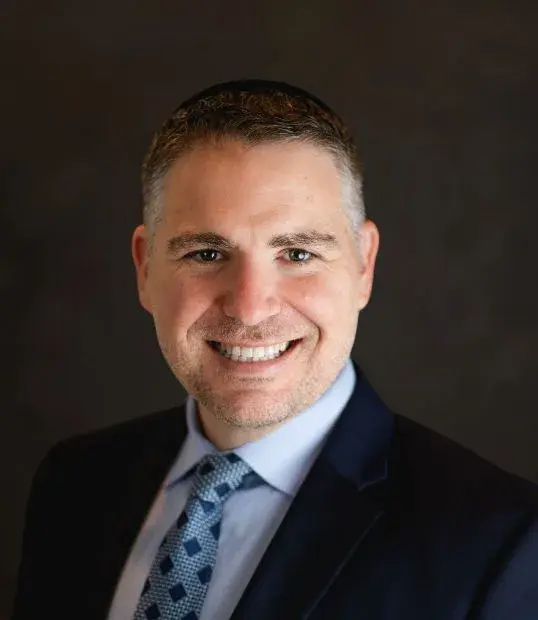
Randy Narkir
Founder and Managing Partner
Randy Narkir has practiced Florida estate planning, probate, and trust administration for more than 12 years. He is based in Hollywood, Florida and serves families across Broward County and statewide. Every client works directly with Randy, not a paralegal, not a rotating associate. When you call (754) 292-0912, you reach a team that knows your file.
Florida Bar No. 109196 | Licensed in Florida | Hollywood, FL | 12+ years of personal Florida practice | Boutique practice | Direct attorney access on every matter
When you call (754) 292-0912, you reach a team that knows your file.
Community Connections
-
President, Aventura Isles
-
Board Member, Jewish Community Services
-
ProVisors, Hollywood 1 Group Leader
-
BNI, Former President BNI Revival
Start With a Solutions Meeting
You do not need to have everything figured out before you call. Most people who reach out have never done this before and are not sure what the first step even is. That is exactly where we start.
A Solutions Meeting is a real conversation. We listen first. We explain what your obligations are, what the process looks like, and what needs to happen in what order. If we are not the right fit for your situation, we will tell you that too.
Most Solutions Meetings run 45 to 60 minutes. Phone or video. No charge for the first meeting. No obligation to proceed.
Book Your Discovery Call
Probate is the formal court process used to settle a deceased person's estate, pay their debts, and legally transfer ownership of their assets to the right beneficiaries. In Florida, probate is generally required when someone dies owning property in their name alone without a co-owner, designated beneficiary, or trust in place. The process takes place in the circuit court of the county where the person lived or owned real estate, such as the Broward County courthouse for Hollywood and Fort Lauderdale residents. Not all assets go through probate life insurance, retirement accounts with named beneficiaries, and trust property typically pass outside of court.
Summary administration is a simplified, faster probate process available for smaller or older estates, while formal administration is the full court process required for larger or more complex estates. In Florida, summary administration may be used when the total probate estate value is $75,000 or less, or when the person has been deceased for more than two years. Formal administration requires the appointment of a personal representative, creditor notices, court filings, and detailed accountings that can take several months or longer. Many estates handled in Broward County, particularly those involving real estate or business interests, require formal administration.
Probate in Broward County can take anywhere from a few months to over a year, depending on the size and complexity of the estate. Simple estates qualifying for summary administration may close relatively quickly if all paperwork is organized and no disputes arise. Formal administration typically takes longer because it requires creditor waiting periods, tax clearances, and court approval at multiple stages. Contested cases, missing heirs, or title problems with real estate in Hollywood or Fort Lauderdale can extend the timeline even further.
Many common assets are not subject to probate in Florida and pass directly to beneficiaries outside of court. These include life insurance policies and annuities with named beneficiaries, retirement accounts such as IRAs and 401(k)s with designated beneficiaries, jointly owned bank accounts with survivorship rights, and property held in a revocable living trust. Real estate owned as joint tenants with right of survivorship or with an enhanced life estate deed (sometimes called a lady bird deed) can also pass without probate. Broward County families can significantly reduce what goes through court by reviewing how each asset is titled or designated.
When someone dies without a will in Broward County, Florida's intestate succession laws take over and determine who inherits the estate. The law follows a set order of priority based on family relationships, which may not match what the deceased actually wanted for their spouse, children, or other loved ones. A court will appoint a personal representative without the decedent's input, and disputes among family members are more common in these situations. Having a valid will, even a simple one, gives individuals the ability to override the default rules and choose their own beneficiaries.
In Florida, formal probate administration almost always requires working with a probate attorney, and in many court proceedings, it is effectively required by local rules. The Florida Probate Code is detailed and requires specific filings, deadlines, and court notices that are difficult for a non-attorney to navigate correctly. Personal representatives in Broward County who try to handle probate on their own can face personal liability if mistakes are made. Working with a probate attorney in Hollywood or Fort Lauderdale helps protect the estate and ensures the process is completed efficiently.
Yes, Florida probate cases can be contested, and disputes may arise over the validity of a will, the conduct of the personal representative, or how assets are being distributed. Common grounds for contesting a will in Florida include claims of undue influence, lack of mental capacity, or improper execution. When a probate in Broward County is contested, the court may hold hearings and receive evidence before making a ruling. These situations take longer to resolve and often require experienced legal representation for all parties involved.
Ancillary probate is a secondary Florida probate proceeding needed when a person lived in another state but owned real estate or other probate assets in Florida. The primary probate takes place in the decedent's home state, but Florida requires its own court process to transfer title to property located here. This is common for out-of-state owners of condos, investment properties, or vacation homes in Broward County and the South Florida area. Placing Florida real estate in a revocable trust before death is one way to avoid the need for ancillary probate.
When a loved one passes away in Hollywood or Fort Lauderdale, families should focus first on personal arrangements and then locate essential documents as quickly as possible. Important documents to gather include any will or trust, death certificates, financial account statements, property deeds, and life insurance policies. Before transferring, closing, or spending any estate assets, families should consult with a Florida probate attorney to understand what court involvement is required in Broward County. Acting without legal guidance before probate is opened can create title defects, tax problems, or personal liability for surviving family members.
It is possible to avoid most or all probate in Florida through careful advance planning, though some situations may still require a small proceeding. The most effective tools include revocable living trusts, beneficiary designations on financial accounts, transfer-on-death deeds, and joint ownership structures. Florida also has a homestead property exemption that affects how a primary residence passes at death, which requires specific planning to coordinate correctly. Families in Hollywood, Pembroke Pines, and the wider Broward County area benefit from a legal review of how each asset is titled to identify any remaining exposure to probate.
Florida uses the term "personal representative" instead of "executor," which is the term most other states use. The role is identical: the personal representative is the person appointed by the probate court to manage and close out a deceased person's estate. This person is typically named in the will, and if no one is named or there is no will, the court appoints someone, usually a surviving spouse or adult child. The personal representative's responsibilities under Florida law include gathering and protecting all assets in the estate, filing an inventory with the court, publishing a formal notice to creditors in a local newspaper, reviewing and paying valid debts and expenses, filing any required tax returns, and ultimately distributing the remaining assets to beneficiaries with court approval. The personal representative must act as a fiduciary, meaning their legal duty runs to the estate and its beneficiaries, not to themselves. This role carries personal liability: a personal representative who makes mistakes, mismanages assets, or fails to follow proper procedures can be held personally responsible for losses to the estate. This is one of the core reasons why Florida probate law effectively requires a licensed probate attorney to guide most formal administrations. Being named in a loved one's will as personal representative is an honor, but anyone accepting the role in Broward County should consult with a probate attorney before taking any action.
There is no legal difference. Florida law uses the term "personal representative" for the role that most other states call an executor or executrix. The duties are the same regardless of what the term is. If you are named as an executor in a will drafted in another state, and that will involves a Florida estate, the Florida probate court will treat you as a personal representative and hold you to the same standards. This terminology confusion is very common in South Florida because many families move here from states like New York, New Jersey, or Illinois that use the term "executor," and national legal resources often use that term as well. Whether a will calls the person an executor, an executrix, a personal representative, or an administrator, the Broward County probate court applies the same Florida law to the role and the same expectations for conduct, filings, and deadlines.
This question has two parts with different answers. First, as a beneficiary, you are generally not personally responsible for the debts of the person who died. You do not inherit their credit card bills, medical debt, or personal loans. However, those debts are paid from the estate before anything is distributed to beneficiaries. This means that creditors can reduce what you receive, even if they cannot come after you personally. Florida probate law requires the personal representative to publish a notice to creditors and give them a window, typically three months from the date of publication, to file formal claims against the estate. Valid claims are paid in a statutory order of priority, with secured debts, funeral expenses, and family allowances taking precedence over general unsecured creditors. Once debts are paid and the estate is distributed, creditors generally have no further claim. One important exception: if assets are improperly transferred out of the estate without following the proper process, creditors may be able to challenge those transfers. Working with a Broward County probate attorney ensures the creditor process is handled correctly and protects both the personal representative and the beneficiaries.
When a Florida estate's debts and expenses exceed its assets, the estate is considered insolvent. In this situation, the personal representative must follow a strict statutory priority order when paying creditors, and some creditors will receive partial payment or nothing at all. Florida law sets a specific sequence: costs of administration come first, then funeral expenses up to a statutory limit, then debts and taxes with preference, then medical expenses from the last 60 days of the person's life, and then general unsecured creditors. Beneficiaries in an insolvent estate typically receive nothing, because everything must go toward debts in the proper order before any distributions are made. The important reassurance for families in Hollywood and Fort Lauderdale is this: as a beneficiary or family member, you are not personally responsible for a deceased person's debts simply because you are related to them or because you helped care for them during their lifetime. The estate pays what it can, and unpaid debts are extinguished. The exception would be if you were a co-signer or joint obligor on a specific debt, in which case your own liability is separate and survives the estate process entirely.
Probate FAQs
Serving Probate and Trust Administration Clients Across Florida
Our Hollywood, FL office is our home base, but we file in circuit courts across all 67 Florida counties. If your loved one owned property in Florida, we can help regardless of where you or the rest of the family lives.
Hollywood, FL (Our Home Base)
4000 Hollywood Boulevard, Suite 485-S, Hollywood, FL 33021. We file probate petitions with the Broward County Circuit Court and handle complete probate and trust administration for Hollywood families.
Broward County
Fort Lauderdale, Hollywood, Pembroke Pines, Miramar, Coral Springs, Davie, and Plantation.
Miami-Dade County
Miami, Coral Gables, Bal Harbour, Surfside, and Homestead.
Palm Beach County
West Palm Beach, Boca Raton, Delray Beach, Boynton Beach, and Jupiter.
Orlando / Orange County
Orlando, Winter Park, Kissimmee, and Sanford.
Tampa Bay Area
Tampa, St. Petersburg, Clearwater, Brandon, and Sarasota.
Jacksonville / Northeast Florida
Jacksonville, St. Augustine, and Northeast Florida.
Southwest Florid
Naples, Fort Myers, Cape Coral, and Bonita Springs.
All 67 Florida Counties
Wherever the estate is located in Florida, we can help.
Resources to Guide Your Journey
We believe that informed families make the best decisions. That’s why we provide easy access to our comprehensive library



A: 4000 Hollywood Boulevard
Suite 485-S
Hollywood, FL 33021